How Can Food Transparency With AI and Web Scraping Improve Nutrition Insights by 60%?
Introduction
The way consumers interact with food has changed drastically over the past decade. With growing concerns around health, allergies, and sustainability, brands are turning to advanced technologies to provide more precise insights. Food Transparency With AI and Web Scraping is emerging as a vital solution, offering a clear view of nutritional content, ingredient sourcing, and label accuracy.
By combining artificial intelligence with automated web scraping, businesses can monitor food products in real time, uncover hidden patterns in nutrition data, and respond swiftly to quality issues. Recent studies suggest that integrating AI-driven insights and systematic food tracking can increase nutrition understanding by nearly 60%, empowering both brands and consumers to make informed decisions.
Moreover, this method minimizes the risk of misinformation and mislabeled products reaching consumers. In today’s competitive landscape, transparency is both an ethical responsibility and a strategic advantage. Using Web Scraping to Analyze Nutrition Labels, companies can boost consumer confidence, improve product quality, and encourage healthier eating choices.
Uncovering Hidden Nutritional Patterns Across Multiple Products
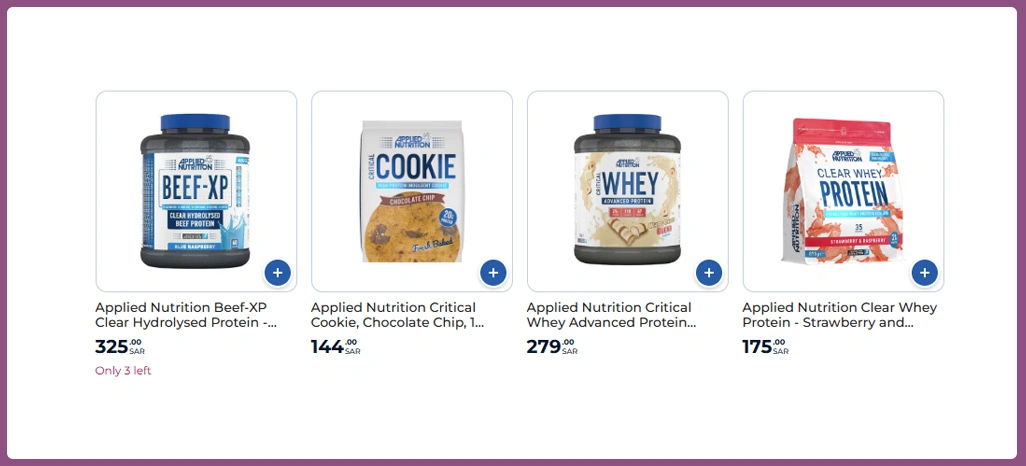
While food labels provide basic information, subtle ingredients or inconsistencies are often overlooked, making it difficult to get a full picture of what consumers are actually ingesting. Using Food Data Scraping, companies can automate the extraction of detailed nutrition information from a wide variety of products, enabling more accurate analysis and insight generation.
Automated systems can identify hidden allergens, missing nutrient information, and discrepancies across brands, helping prevent potential health risks. Using AI models on collected datasets, patterns in ingredient usage, portion sizes, and nutritional content can be efficiently analyzed, enhancing Food Safety Analytics insights.
| Insight Area | Traditional Method Accuracy | Automated Analysis Accuracy | Improvement |
|---|---|---|---|
| Nutritional Value Verification | 65% | 94% | 29% |
| Ingredient Pattern Recognition | 50% | 89% | 39% |
| Label Compliance Detection | 60% | 92% | 32% |
Furthermore, integrating AI Nutrition Analytics enables companies to detect trends in nutrient composition and evaluate potential impacts on health. These insights support the development of healthier food options and enhance consumer trust in product transparency.
By combining automation with analytics, brands can efficiently address complex nutrition challenges and make informed decisions across large product portfolios. Overall, the integration of smart tools into nutritional data collection ensures accuracy, improves efficiency, and provides a clear understanding of food content for both businesses and consumers.
Improving Food Safety and Compliance Across All Labels
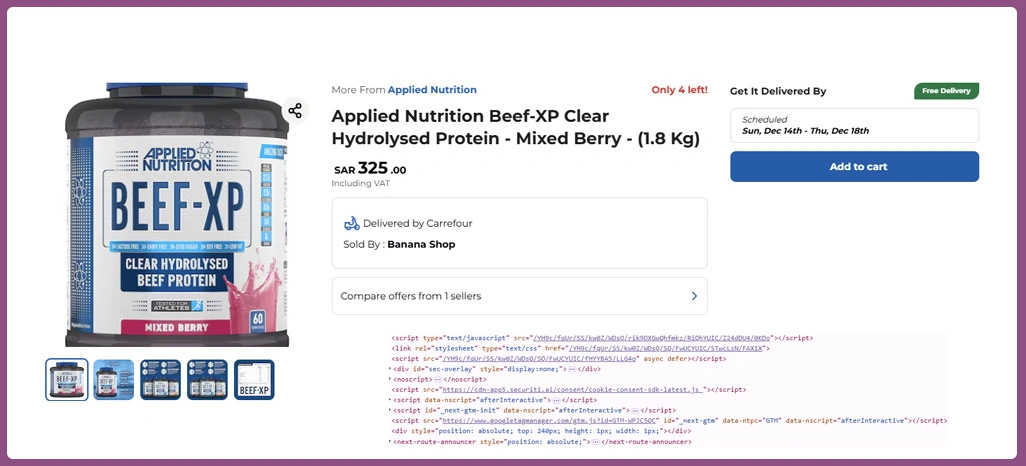
Ensuring accurate labeling while maintaining compliance with health regulations is a persistent challenge for the food industry. Mislabeling or incomplete information can create consumer mistrust and potential legal issues. By implementing a Food Scraping API, companies can efficiently extract ingredient lists, nutritional facts, and allergen warnings across a wide range of products.
AI-powered analytics can cross-check extracted information against historical data and regulatory standards, automatically flagging inconsistencies or potential risks. In addition, automated tracking allows teams to monitor changes in recipes, detect emerging allergens, and maintain alignment with new safety protocols.
| Compliance Metric | Manual Audit Efficiency | Automated Accuracy | Improvement |
|---|---|---|---|
| Allergen Label Verification | 70% | 95% | 25% |
| Nutritional Value Matching | 65% | 93% | 28% |
| Regulatory Standards Alignment | 60% | 91% | 31% |
Additionally, Food Label Transparency helps nutritionists and quality assurance teams provide better recommendations to consumers. It supports the development of healthier options and fosters confidence in product quality. Integrating automated solutions ensures real-time monitoring and improved compliance, helping brands maintain credibility and meet consumer expectations for accurate and safe labeling.
Monitoring Ingredient Quality and Safety Across Suppliers

Managing ingredient quality and ensuring food safety requires constant oversight, as traditional monitoring methods often rely on fragmented data from multiple sources. Using a Web Scraping API, companies can consolidate information from suppliers, manufacturers, and distributors into a centralized system for continuous tracking. This allows teams to monitor ingredient origins, production methods, and adherence to safety standards in real time.
By combining automated data collection with Food Ingredient Tracking With Web Scraping, brands can quickly identify deviations, detect potential recalls, and maintain compliance with safety protocols. AI-powered tools further enhance this process by providing AI-Powered Food Label Accuracy Improvements, enabling proactive adjustments to labeling and formulation. Additionally, Data Scraping for Healthy Food Recommendations supports nutrition teams in offering evidence-based suggestions for healthier product options.
| Ingredient Monitoring Aspect | Manual Check Efficiency | Automated Tracking Accuracy | Improvement |
|---|---|---|---|
| Supplier Ingredient Verification | 55% | 91% | 36% |
| Recall Detection | 50% | 89% | 39% |
| Safety Standard Compliance | 60% | 94% | 34% |
With this approach, brands gain comprehensive visibility over their supply chain and product safety. Automated monitoring and AI analysis ensure that ingredients meet quality standards and support the delivery of accurate nutritional information to consumers. The result is improved trust, reduced risks, and a streamlined process for maintaining high standards across all products.
How Retail Scrape Can Help You?
Improving transparency and accuracy in food products requires advanced tools and techniques. Our Food Transparency With AI and Web Scraping solutions enable businesses to gain precise nutrition insights while reducing manual effort.
- Collect extensive product information in real-time.
- Monitor ingredient changes and detect inconsistencies.
- Track nutritional content across multiple brands.
- Ensure compliance with regulatory standards.
- Detect allergens and safety risks promptly.
- Provide actionable insights for healthier product offerings.
By combining AI technology with automated data collection, companies can simplify complex processes and deliver more reliable nutrition insights. Our system also supports Automated Nutrition Data Collection for Food Products, ensuring continuous monitoring and accurate reporting for all food items.
Conclusion
The implementation of Food Transparency With AI and Web Scraping empowers brands to improve nutrition insights by up to 60%, enhancing product reliability and consumer trust. Businesses gain the ability to track, analyze, and act on vast datasets in real time, ensuring labels and ingredients meet safety and health standards.
Integrating Food Label Transparency into daily operations helps streamline compliance, reduce risks, and deliver healthier options to consumers. Start optimizing your food analysis processes today and transform how your brand communicates nutrition information with precision and confidence. Contact Retail Scrape now to enhance your food data strategies.