
How to Scrape GrabFood Singapore Data in 2026 to Unlock 85% Deeper Market Insights & 120K+ Listings?
Introduction
Singapore’s food delivery ecosystem is expanding rapidly, driven by changing consumer behavior, quick commerce growth, and rising competition among restaurants and cloud kitchens. The demand for Singapore Food Delivery Data Scraping is increasing because businesses want accurate menu listings, promotional trends, cuisine-level demand patterns, and real-time pricing shifts across neighborhoods.
GrabFood is one of the most dominant platforms in Singapore, hosting thousands of restaurants and constantly updating prices, offers, delivery fees, and menu availability. Businesses need a scalable way to Scrape GrabFood Singapore Data and extract information in structured formats for analytics dashboards, monitoring tools, and pricing intelligence models.
When done correctly, data extraction supports smarter segmentation, better discount planning, and competitive benchmarking. This 2026-focused guide explains key challenges, solutions, and practical scraping approaches to collect meaningful market data from GrabFood Singapore while ensuring scalability, reliability, and accuracy.
Building a Strong Restaurant Coverage Data Framework
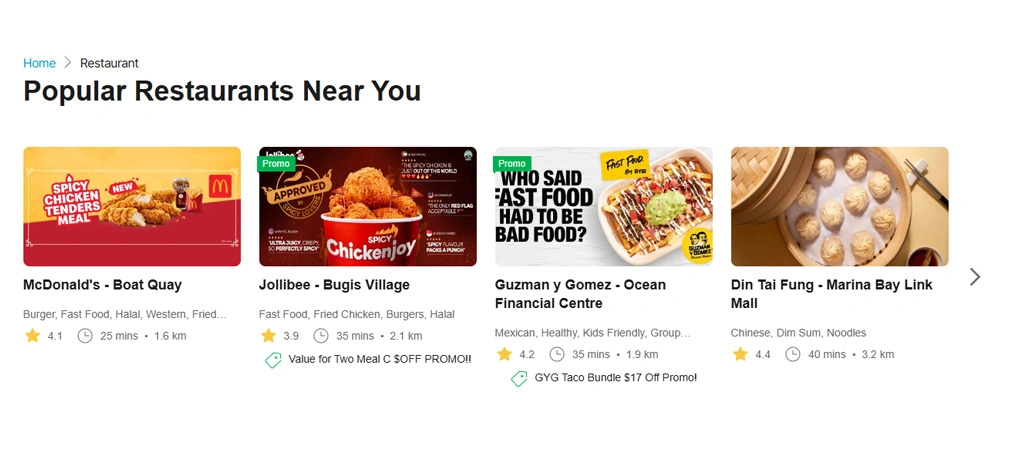
One of the biggest challenges for delivery intelligence teams is building a dataset that truly reflects the entire platform, not just popular restaurants. Many businesses collect limited restaurant results and assume they represent the full market, but that leads to inaccurate benchmarking and missed competitors.
This is where GrabFood Web Scraping Services play a major role, because they enable systematic extraction of restaurant metadata at scale. Businesses using GrabFood Restaurant Data Extraction can compare outlet penetration patterns, map high-demand cuisines, and identify neighborhood-level saturation.
In addition, high-frequency scraping helps track restaurant removals and additions that occur throughout the day. Many market research teams now depend on Real-Time GrabFood Data Scraping to avoid outdated reporting and maintain fresh competitive dashboards.
| Key Extraction Element | Why It Matters | Business Impact |
|---|---|---|
| Restaurant name and category | Identifies competitors by cuisine | Market segmentation |
| Delivery time and fee | Measures customer cost sensitivity | Pricing decisions |
| Ratings and popularity | Indicates consumer preference trends | Brand positioning |
| Availability status | Detects active vs inactive listings | Coverage accuracy |
| Zone-based crawling method | Captures listings across locations | Wider dataset reach |
When these strategies are combined, businesses can build stronger restaurant coverage datasets that support expansion planning, competitor identification, and delivery demand forecasting.
Tracking Menu Structures and Pricing Shifts Accurately
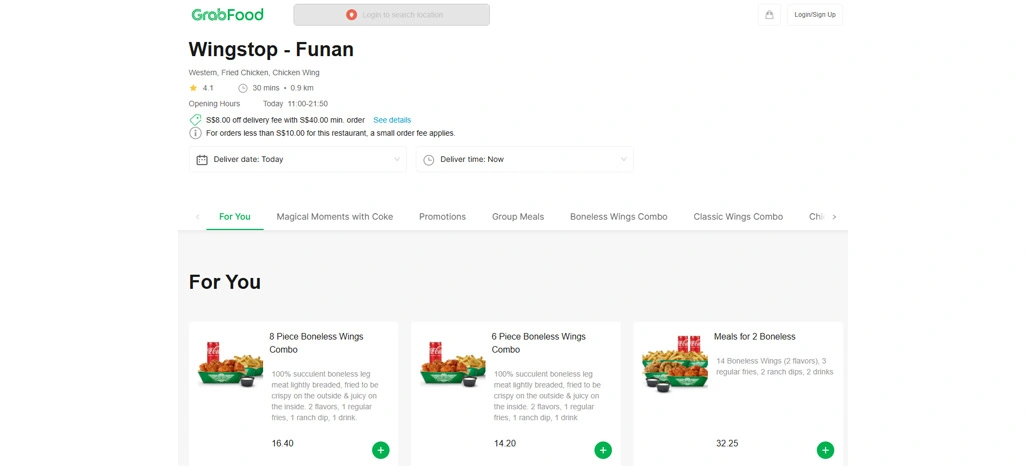
Restaurant listings provide only surface-level intelligence. A structured approach like the GrabFood Singapore Menu and Price Data Scraping Guide ensures businesses capture menu categories, item names, descriptions, base prices, and optional add-ons.
Companies using Automated GrabFood Singapore Data Extraction reduce manual effort and maintain consistent dataset freshness. This is especially important when restaurants adjust prices multiple times per week due to ingredient cost shifts or time-based discounting.
For deeper insights, businesses also depend on GrabFood Restaurant and Menu Data Collection Singapore to track which outlets expand menu variety, which cuisines introduce new bundles, and which brands remove items during peak seasons. When menu datasets are stored in structured formats, analysts can compare product-level trends across multiple restaurant categories.
| Menu-Level Data Point | What It Captures | How It Helps |
|---|---|---|
| Menu category structure | Groups items by section | Product mapping |
| Item pricing and combos | Detects pricing shifts | Competitive benchmarking |
| Add-ons and customizations | Tracks upsell opportunities | Revenue analysis |
| Discount tags and offers | Identifies promo strategies | Campaign planning |
| Item availability changes | Detects sold-out patterns | Demand forecasting |
Many businesses struggle to maintain clean menu datasets due to nested categories, frequent item updates, and dynamic customization options that change daily.
Turning Raw Data Into Competitive Pricing Intelligence
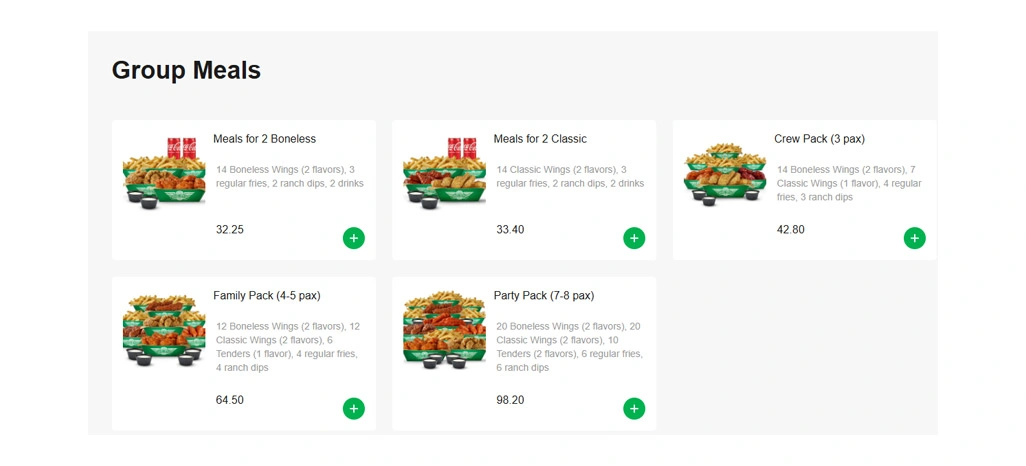
Collecting restaurant and menu data is only useful when it is transformed into decision-ready insights. Many teams fail because they scrape data irregularly, making it impossible to detect real patterns in pricing, promotions, or delivery fee behavior. Businesses need a consistent workflow that captures changes frequently and structures them for dashboard integration.
A competitive monitoring strategy like Scraping GrabFood Singapore for Market Price Intelligence helps brands compare pricing across cuisines, analyze discount cycles, and identify zones where competitors aggressively promote bundles. This method is widely used by restaurant chains, delivery intelligence firms, and market analysts to measure how pricing strategies evolve throughout the week.
When executed properly, this workflow supports forecasting, competitor alerts, and campaign optimization. Businesses can also identify high-growth cuisines and emerging restaurant clusters based on listing and pricing behavior. These insights are crucial for expansion decisions, partnership planning, and investment research.
| Intelligence Metric | What It Measures | Strategic Benefit |
|---|---|---|
| Average pricing by cuisine | Benchmarks category-level price trends | Smarter positioning |
| Discount frequency patterns | Tracks competitor promo behavior | Better campaign timing |
| Delivery fee fluctuations | Detects customer cost impact shifts | Retention planning |
| Zone-based competitor density | Measures restaurant saturation | Expansion decisions |
| Menu growth trends | Tracks product expansion strategy | Innovation insights |
A strong pipeline also makes reporting easier by converting unstructured data into structured feeds that integrate into BI tools and internal dashboards.
How Retail Scrape Can Help You?
In today’s competitive delivery economy, businesses need more than manual observation or occasional tracking. That’s where we provide reliable systems to Scrape GrabFood Singapore Data with high-frequency extraction and structured dataset delivery.
What We Provide for Your Business Intelligence Needs:
- Structured datasets ready for dashboards and BI tools.
- Location-based restaurant coverage across multiple zones.
- Continuous monitoring of menu updates and new item launches.
- Pricing trend reports and competitor comparison feeds.
- Offer tracking for bundles, limited-time deals, and promotions.
- Clean output formats such as JSON, CSV, and API delivery.
Our solution is ideal for businesses focused on GrabFood Singapore Data Scraping for Price Monitoring and long-term competitive tracking.
Conclusion
As Singapore’s delivery market becomes more aggressive, businesses must rely on structured datasets instead of manual guesswork. A scalable system to Scrape GrabFood Singapore Data helps track restaurant expansion, delivery zones, menu shifts, and pricing fluctuations with consistent accuracy.
The most effective approach starts with building a strong pipeline based on How to Scrape GrabFood Singapore Data in 2026, ensuring that listing coverage, menu extraction, and real-time monitoring work together in a single strategy. Contact Retail Scrape now to start your GrabFood Singapore data extraction project with precision and scale.