
How Does the Complete Guide to Scraping Google Flight Data Boosts 78% Faster Travel Insights?
Introduction
Flight prices change faster than most travelers can refresh a browser tab. Airlines adjust fares based on demand, seat availability, time-to-departure, competitor activity, and even route popularity. For travel businesses, this constant fluctuation creates a serious challenge: manual tracking becomes too slow, inconsistent, and incomplete.
With the Complete Guide to Scraping Google Flight Data, businesses can monitor price patterns across multiple airlines and routes while saving time on repetitive research. It becomes easier to identify fare drops, peak-day spikes, and seasonal shifts, especially when the same route shows different pricing depending on timing or airline competition.
This approach is also essential for Airline Price Monitoring Using Google Flights, where accurate fare intelligence helps agencies, travel startups, and analytics firms understand market behavior in real time. As global travel demand rises, structured data access is becoming the backbone of smarter travel intelligence, improved pricing models, and stronger market positioning.
Understanding Daily Fare Shifts and Price Volatility Trends
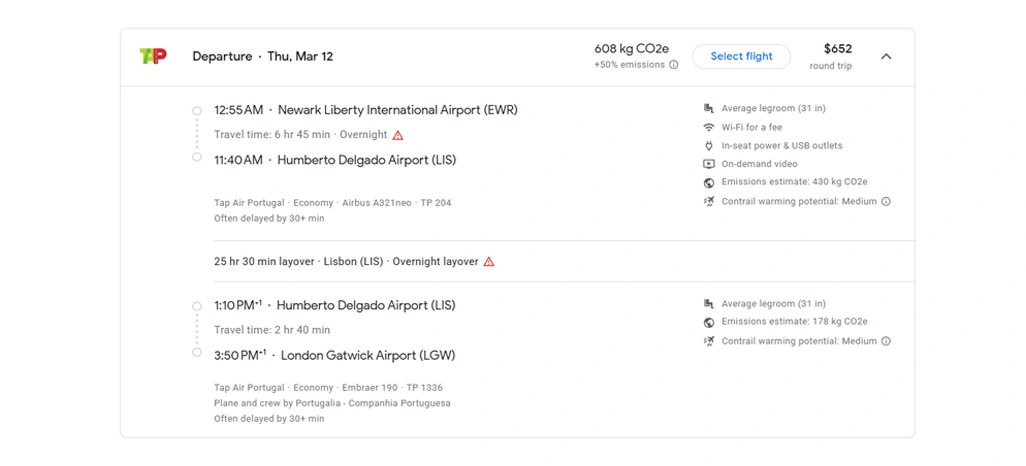
Flight prices are no longer stable for even a few hours, especially on high-demand domestic and international routes. This is where Google Flights Data Scraping becomes valuable, as it helps capture frequent fare updates and route-based variations in a structured manner.
When businesses monitor fares consistently, they can build accurate pricing histories and detect repeating patterns such as midweek drops or weekend spikes. Applying Dynamic Airfare Pricing Analysis also makes it easier to measure how pricing behaves during peak travel seasons, holidays, and last-minute booking periods.
Additionally, structured monitoring supports Flight Price Tracking Google Flights, allowing travel platforms to generate alerts when prices rise beyond expected thresholds or fall below target ranges. Many travel intelligence firms report that automated monitoring reduces manual research workload by nearly 60% while improving pricing forecast accuracy by 30% or more.
Fare Volatility Tracking Table:
| Fare Metric | What It Measures | Why It Matters |
|---|---|---|
| Daily Price Change Frequency | Number of fare updates per day | Detects volatility level |
| Peak vs Low Fare Gap | Highest vs lowest price difference | Shows pricing risk and margin |
| Demand-Based Fare Shifts | Pricing changes during high demand | Improves forecasting accuracy |
| Booking Window Impact | Fare movement near departure | Supports travel planning strategy |
| Competitor Response Trends | Price reaction to competitor changes | Helps competitive positioning |
With the right datasets, organizations can map volatility trends and develop route-level strategies that improve fare prediction and revenue planning. This process helps travel companies shift from reactive pricing decisions to proactive intelligence-based planning.
Strengthening Competitive Benchmarking for Route Planning
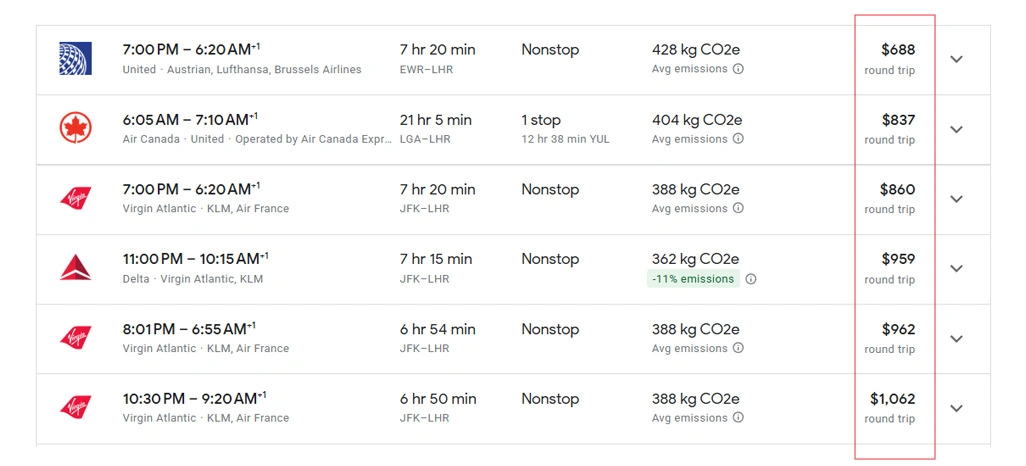
Airline competition is driven by constant fare adjustments, making competitor benchmarking essential for travel businesses. Using Google Flights Data for Travel Market Research helps businesses observe how airlines adjust fares across similar routes, time slots, and travel seasons.
A major advantage comes from structured Google Flights Data Collection, which enables travel analysts to compare airline fare behavior over time instead of relying on random fare snapshots. This becomes highly valuable when working with Airline Ticket Price Comparison Data, where consistent competitor mapping improves market intelligence accuracy.
When companies apply Google Flights Price Data Extraction, they can create benchmarking reports that highlight fare gaps between airlines, identify peak-demand pricing patterns, and evaluate competitor response timing. These insights also help determine when airlines adjust prices based on departure date, seat availability, or seasonal traffic.
Competitor Fare Benchmark Table:
| Benchmark Factor | Data Captured | Business Benefit |
|---|---|---|
| Airline Fare Variance | Price difference between airlines | Improves pricing alignment |
| Route Competition Level | Number of airlines on a route | Measures market saturation |
| Departure Time Price Gap | Morning vs evening fare differences | Supports schedule planning |
| Seasonal Fare Movement | Holiday vs non-holiday pricing | Improves campaign timing |
| Stopover vs Direct Fare Gap | Direct vs 1-stop pricing patterns | Enhances travel recommendations |
In competitive travel markets, accurate benchmarking is no longer optional. It is a requirement for building smarter route planning models, improving promotional timing, and strengthening customer-facing pricing decisions.
Building Automated Analytics for Faster Travel Decisions
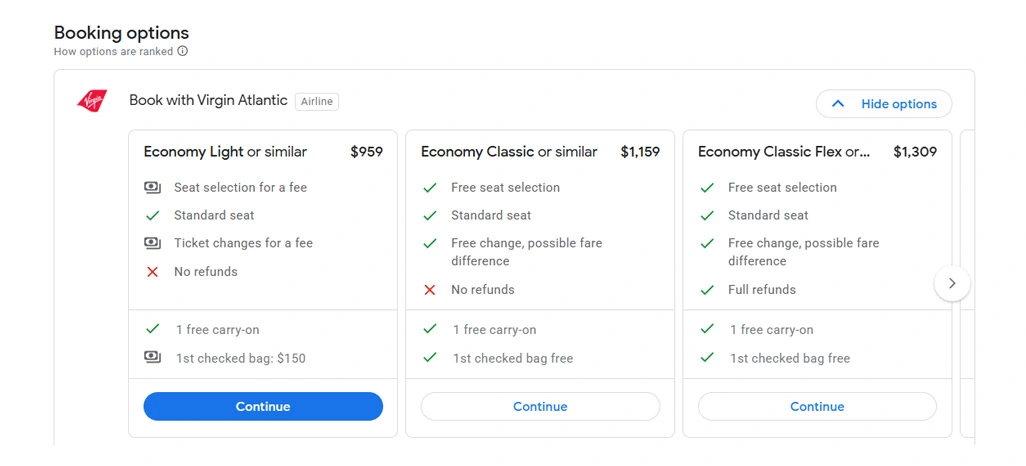
Travel businesses often struggle to make fast pricing decisions because manual data collection cannot match the speed of airline fare updates. By implementing structured Flight Price Data Extraction, organizations can build reliable datasets that support forecasting models, reporting dashboards, and alert-driven fare monitoring.
This is especially useful for OTAs and travel intelligence platforms that need continuous fare visibility. When combined with Travel Data Scraping Solutions, airfare datasets can be integrated with hotel pricing, car rental demand, and seasonal tourism insights to create a broader market intelligence ecosystem.
Automation reduces the risk of incomplete pricing reports and improves insight delivery speed. Many industry studies show that automated pricing pipelines improve analytics turnaround time by nearly 70% while reducing manual workload by more than 50%. This helps travel companies shift from reactive planning toward proactive pricing strategy.
Automated Travel Intelligence Table:
| Automation Stage | Output Generated | Strategic Value |
|---|---|---|
| Scheduled Fare Monitoring | Frequent pricing snapshots | Reduces missed fluctuations |
| Data Structuring & Cleanup | Standardized route datasets | Improves analytics accuracy |
| Fare Change Alerts | Drop and surge notifications | Faster business response |
| Competitive Tracking Reports | Airline pricing comparisons | Strengthens market positioning |
| Forecasting & Trend Models | Predictive pricing patterns | Improves long-term planning |
Additionally, automated monitoring improves fare alert systems, allowing businesses to track price drops, identify profitable booking windows, and evaluate competitor responses in real time.
How Retail Scrape Can Help You?
Instead of relying on scattered manual checks, we help businesses create reliable intelligence workflows by applying the Complete Guide to Scraping Google Flight Data in a scalable and structured way.
What we provides:
- Automated flight pricing monitoring workflows.
- Route-level tracking across multiple airlines.
- Structured datasets for analytics dashboards.
- Historical fare trend reporting support.
- Scalable data delivery formats for business teams.
- Data accuracy checks for cleaner business reporting.
With Google Flights Price Data Extraction, your team can maintain accurate datasets that support pricing strategy, travel trend reporting, and smarter decision-making across dynamic airfare markets.
Conclusion
Flight pricing changes too quickly for manual monitoring to remain effective. With the Complete Guide to Scraping Google Flight Data, travel teams can shift from random fare checks to consistent market monitoring that supports long-term business strategy.
When businesses apply Flight Price Tracking Google Flights, they gain clearer visibility into fare drops, sudden spikes, and booking window trends that impact customer purchasing decisions. Connect with Retail Scrape today to build your flight data monitoring system and turn airfare fluctuations into measurable travel intelligence.