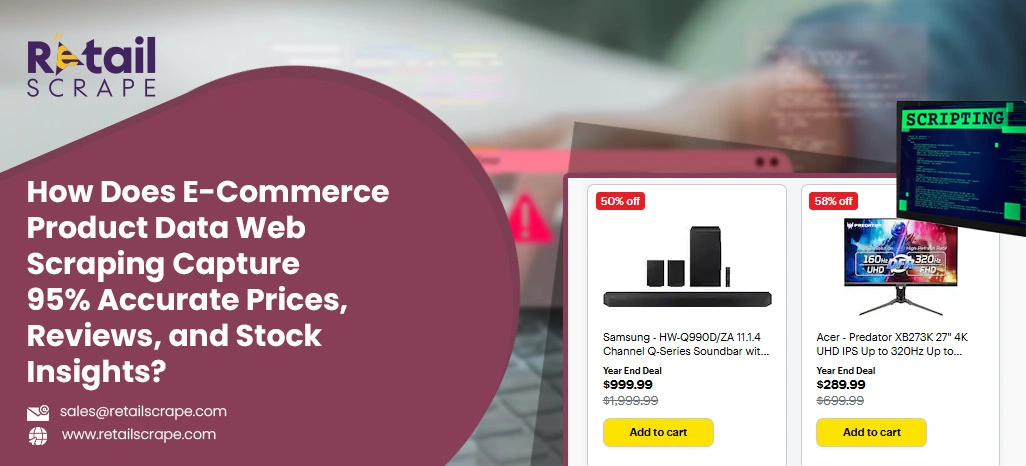
How Does E-Commerce Product Data Web Scraping Capture 95% Accurate Prices, Reviews, and Stock Insights?
Introduction
In the modern e-commerce landscape, businesses face constant pressure to track competitor pricing, analyze customer sentiments, and maintain optimal stock levels. Traditional manual methods of collecting this information are not only time-consuming but also highly prone to errors and delays. As online marketplaces continue to expand, relying on outdated data collection techniques can limit a brand’s ability to compete effectively. This is where E-Commerce Product Data Web Scraping becomes a critical operational advantage.
Through automated data extraction, brands gain the ability to monitor real-time price movements, analyze patterns in customer reviews, and track product availability across multiple platforms. Product Price, Review & Stock Scraping enables companies to respond quickly to market shifts, ensuring competitive pricing and consistent customer experiences. Access to accurate and structured data allows decision-makers to plan promotions strategically, optimize product assortments, and reduce the risk of stockouts that lead to lost sales opportunities.
The reliability of automated data extraction is remarkably high, with recent studies indicating up to 95% accuracy when monitoring top-selling products across major e-commerce platforms. By integrating Online Product Data Extraction into daily operations, businesses can significantly reduce manual effort and operational overhead. This streamlined approach transforms retail strategies by enabling faster reactions, smarter planning, and sustained competitiveness in a rapidly evolving digital marketplace.
Overcoming Price Changes and Stock Challenges in Retail Operations
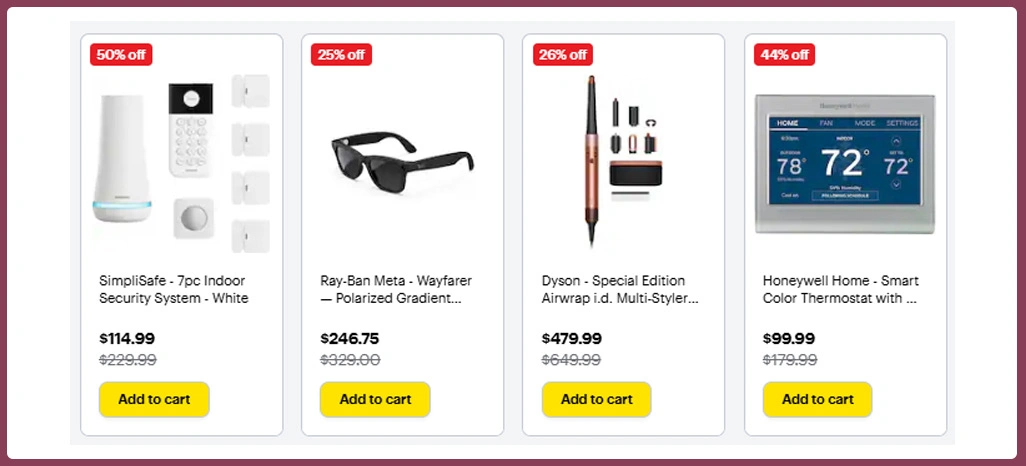
Retailers often struggle to manage frequent price fluctuations while ensuring that products remain consistently available to customers. Seasonal demand, flash sales, and competitor discounts can quickly impact profit margins and brand positioning. Without continuous visibility into market movements, retailers risk pricing products too high or too low, leading to reduced conversions or diminished profitability.
Implementing automated solutions such as E-Commerce Price Monitoring provides a reliable way to track product prices and availability across multiple marketplaces. By continuously collecting and analyzing pricing data, businesses can identify sudden changes, evaluate competitor strategies, and make timely pricing adjustments. Structured datasets allow teams to compare performance, uncover emerging trends, and recognize high-demand products before market conditions shift.
This proactive approach empowers retailers to stay ahead of market changes rather than reacting after losses occur. With consistent access to accurate price and stock data, organizations can protect margins, maintain product availability, and strengthen their competitive position in an increasingly dynamic retail environment.
| Metric | Average Impact | Observed Trend |
|---|---|---|
| Price Variation (%) | 8–12% | Seasonal spike during Q4 |
| Stock-Out Instances | 5% | Common in electronics and FMCG |
| Review Rating Changes | 0.2–0.5 | Slight dip during high sales |
Additionally, monitoring inventory levels through Tracking Stock Availability With E-Commerce Data Scraping helps prevent lost sales and customer dissatisfaction. Businesses can forecast replenishment needs and reduce instances of overstock or understock. Coupled with review monitoring, this strategy allows retailers to optimize supply chains, minimize operational inefficiencies, and maintain consistent product availability.
Utilizing Marketplace Insights for Smarter Retail Strategies
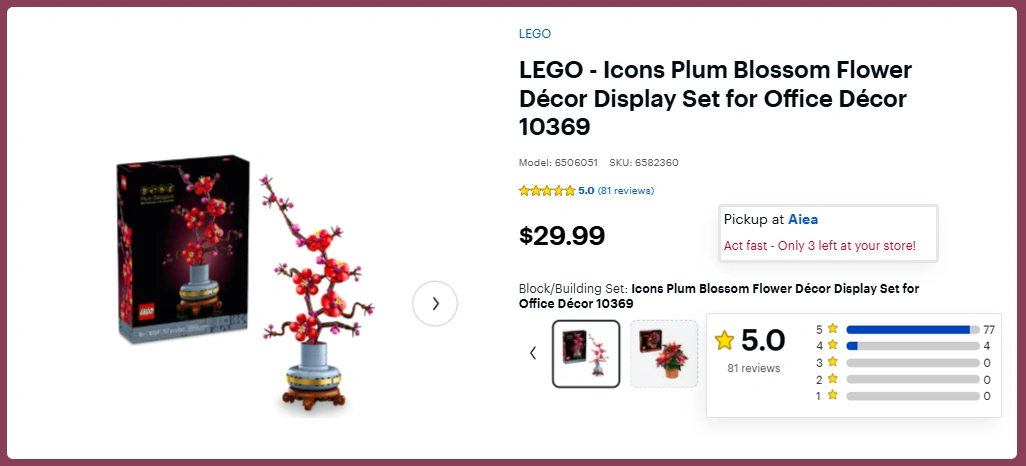
In competitive markets, understanding product performance across multiple platforms is essential. Retailers can collect and analyze information to shape pricing strategies, improve inventory planning, and optimize marketing campaigns. This approach involves gathering data on product performance, customer preferences, and stock levels across different marketplaces.
Businesses can implement Scraping Prices, Reviews, and Stock From Online Stores to compare offerings and uncover patterns that inform strategic decisions. By analyzing this data, retailers can determine which items are popular, identify gaps in product assortments, and anticipate emerging trends. Additionally, Collecting Multi-Marketplace Product Data at Scale enables companies to perform predictive analyses, which support smarter operational planning and improved forecasting.
| Metric | Average Performance | Insights |
|---|---|---|
| Competitor Price Gap | 6–10% | Electronics and home goods show the largest disparity |
| Average Review Count | 200–500 | Reveals level of consumer engagement |
| Stock Consistency | 90% | Popular products remain consistently available |
Integrating these insights with E-Commerce Data Scraping for Market Intelligence equips businesses to refine promotional strategies, adjust pricing dynamically, and maintain optimal stock. The result is a proactive, data-driven approach that helps retailers remain competitive, meet customer expectations, and maximize profitability across multiple sales channels.
Monitoring Competitor Behavior for Retail Growth Opportunities
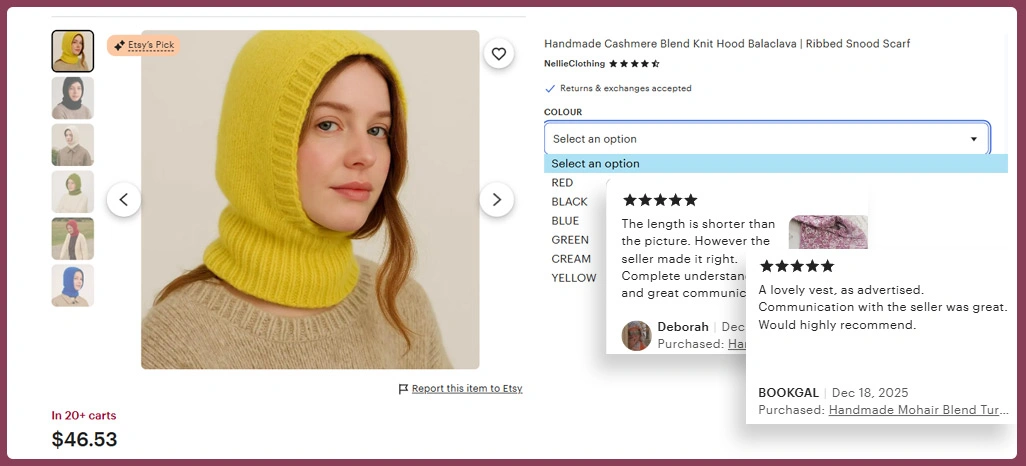
Understanding competitor activity is critical for businesses looking to strengthen their market position. Companies can analyze pricing trends, product promotions, and customer feedback to adapt quickly and effectively. By collecting this information, organizations can make informed decisions to maintain competitiveness and enhance overall performance.
Extracting Customer Reviews and Ratings Using Web Scraping allows retailers to understand which product features and experiences matter most to consumers. This knowledge enables improvements in product quality and marketing messaging. Combining this with insights from Web Scraping for Competitor Analysis in E-Commerce gives businesses a clear picture of their competitors’ strategies.
| Metric | Analysis | Key Action |
|---|---|---|
| Price Promotions | Weekly updates | Adjust campaigns to remain competitive |
| Customer Ratings | 4.0–4.8 average | Improve products based on user feedback |
| Stock Availability | 85% consistency | Ensure best-selling items are always stocked |
By implementing competitor monitoring strategies, retailers can identify opportunities for growth, spot gaps in their offerings, and fine-tune marketing initiatives. Using this intelligence effectively ensures businesses can respond swiftly to market changes, enhance customer satisfaction, and achieve stronger revenue outcomes.
How Retail Scrape Can Help You?
Businesses seeking precise e-commerce intelligence often face challenges related to scattered and unstructured data. E-Commerce Product Data Web Scraping enables consistent, automated data collection across multiple platforms, ensuring accuracy and reliability.
With us, you can:
- Streamline competitor monitoring.
- Track real-time pricing trends.
- Identify inventory shortages proactively.
- Monitor customer feedback efficiently.
- Forecast market trends accurately.
- Optimize product assortment decisions.
By implementing these solutions, businesses can also utilize Scraping Prices, Reviews, and Stock From Online Stores to gain deeper insights, enhance operational efficiency, and improve overall decision-making processes.
Conclusion
With the rapid evolution of online retail, actionable insights are more critical than ever. E-Commerce Product Data Web Scraping provides reliable monitoring of prices, reviews, and stock, enabling retailers to respond swiftly to market changes. This level of precision ensures strategic planning is data-driven and competitive.
Additionally, leveraging Product Price, Review & Stock Scraping allows businesses to identify gaps in offerings, improve customer satisfaction, and maintain an edge in the competitive landscape. Start utilizing these advanced data scraping solutions to transform your retail operations and drive measurable growth. Contact Retail Scrape today to implement a tailored strategy.