
How ShopeeFood Data Scraping for Market Trend Analysis Unlocks 38% Faster F&B Growth Insights?
Introduction
The food and beverage industry is no longer driven only by taste and branding. Today, the most successful restaurant chains, cloud kitchens, and food delivery operators are scaling faster by understanding consumer behavior in real time. From trending dishes to sudden pricing shifts, every micro-change in a market can influence demand and revenue.
ShopeeFood has emerged as one of the most active food delivery ecosystems in multiple regions, offering thousands of restaurants, menu items, promotions, delivery fee variations, and category-based demand patterns. This creates a rich opportunity for businesses to capture structured information and use it for deeper analysis.
With ShopeeFood Data Scraping for Market Trend Analysis, companies can identify what dishes customers prefer in specific cities, what time slots generate higher order volumes, and how discounts affect conversions. As the F&B market becomes more competitive, those who track regional consumption patterns consistently can build smarter campaigns, improve product launches, and expand into high-potential locations with stronger confidence.
Understanding Local Consumer Demand Patterns for Expansion Planning
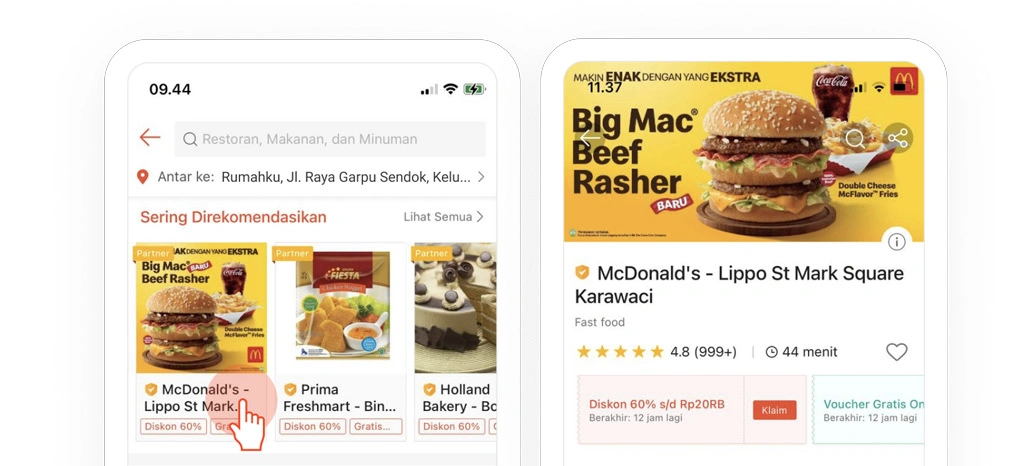
However, food delivery platforms provide real-time consumer behavior signals, which are critical for accurately assessing market potential. By tracking restaurant categories, popular cuisines, top-selling menu items, and location-level ordering patterns, businesses can pinpoint areas with high demand and avoid oversaturated markets.
Cloud kitchens especially benefit from this insight, as delivery-based performance is more crucial than walk-in traffic. Studies indicate that leveraging hyperlocal consumer insights can improve location-based decision-making accuracy by up to 30%, significantly reducing the risk of early-stage outlet failures.
Additionally, ShopeeFood Quick Commerce Data Extraction allows businesses to monitor short-term demand spikes caused by festivals, paydays, or seasonal trends, providing a clear roadmap for inventory planning and resource allocation. This structured data approach helps brands respond quickly to changing consumer preferences.
Below is a table summarizing the key growth insights captured:
| Data Point Tracked | What It Reveals | Business Benefit |
|---|---|---|
| Cuisine popularity by city | Most ordered food types | Tailored menu strategy |
| Top-selling items per region | Trending dishes | Focused product launches |
| Delivery radius order activity | High-demand micro areas | Smarter outlet placement |
| Restaurant density per zone | Market saturation | Expansion risk reduction |
| Promo-driven demand spikes | Seasonal opportunities | Campaign optimization |
Using structured datasets captured via ShopeeFood Data Extraction, brands can confidently plan outlet locations, optimize menu offerings, and anticipate market shifts.
Leveraging Menu and Pricing Insights for Competitive Advantage
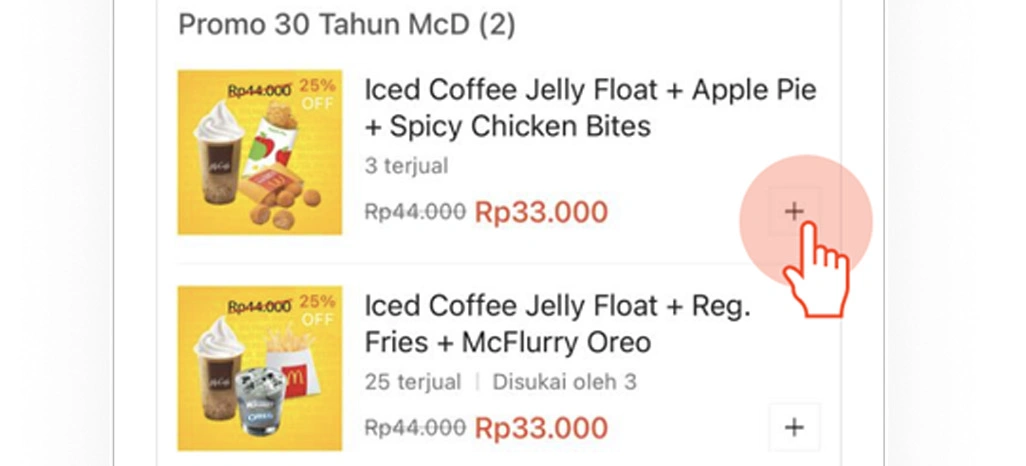
Menu and pricing decisions are central to profitability in food delivery markets. While a popular dish in one area may underperform in another due to price sensitivity, discount strategies, or delivery fees, brands often lack visibility into these dynamics. Without accurate insights, businesses risk overpricing, underpricing, or mismanaging promotional campaigns.
By analyzing competitor menus, pricing, and ordering patterns, operators can identify items that drive repeat purchases and adjust their offerings accordingly. This level of insight enables more informed decisions on portion sizes, combo meals, or time-based promotions.
A key strategy involves ShopeeFood Dynamic Pricing Trend Analysis, which helps businesses track competitor pricing shifts, seasonal demand changes, and promotion frequency. Additionally, ShopeeFood Product Data Scraping allows companies to gather structured data on menu changes and pricing strategies, providing a basis for quicker adjustments.
The table below highlights the strategic value of pricing and menu intelligence:
| Pricing Trend Element | What Businesses Track | Strategic Outcome |
|---|---|---|
| Item price fluctuations | Week-over-week changes | Optimized pricing decisions |
| Discount effectiveness | Conversion before vs after | Improved promotional ROI |
| Category-level pricing | Average price per cuisine | Competitive positioning |
| Add-on and upsell pricing | Beverage/snack bundles | Higher order value |
| Delivery fee influence | Demand drop due to fee | Pricing bundling optimization |
With Web Scraping ShopeeFood Data, brands can automate the collection of pricing and menu insights, ensuring they react promptly to market trends.
Tracking Competitors and Market Performance for Business Growth
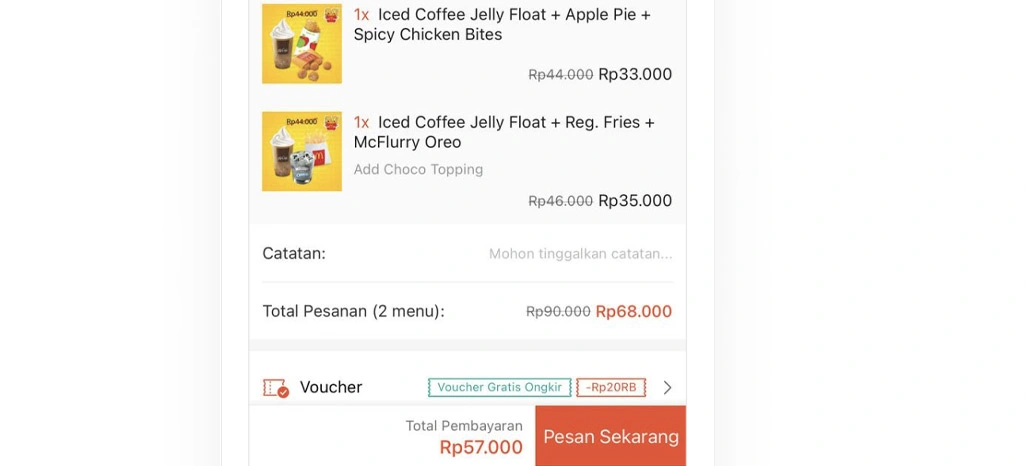
In fast-moving delivery ecosystems, staying competitive requires constant visibility into competitor activity. Restaurants must monitor new menu launches, pricing updates, discount campaigns, and regional delivery strategies to maintain market relevance. Delayed responses can lead to missed revenue opportunities, even when a brand offers high-quality products.
Through competitor tracking systems, businesses can benchmark their performance, evaluate market gaps, and identify emerging trends. Implementing ShopeeFood Price Monitoring & Market Intelligence enables brands to detect competitor adjustments quickly, allowing for timely strategic responses.
Competitive benchmarking also informs menu development. When a competitor introduces a new bestselling item, operators can plan similar offerings or promotions faster, reducing experimentation costs and improving time-to-market. ShopeeFood Competitor Analysis supports this process by providing structured insights into competitor pricing, promotions, and category-level performance.
The table below summarizes how monitoring competitor activity drives growth:
| Competitor Data Tracked | Key Insight Extracted | Growth Advantage |
|---|---|---|
| New menu launches | Demand trends | Quicker product adaptation |
| Discount frequency | Promo patterns | Smarter offer planning |
| Ratings changes | Customer satisfaction | Service improvement roadmap |
| Delivery time differences | Logistics performance | Optimized delivery planning |
| Pricing comparison | Competitive gaps | Margin optimization |
By leveraging ShopeeFood Data API and Web Scraping ShopeeFood Data, brands can integrate competitor intelligence into internal dashboards, ensuring continuous visibility into market performance.
How Retail Scrape Can Help You?
Building a growth strategy in food delivery requires more than occasional observation. With ShopeeFood Data Scraping for Market Trend Analysis, brands can move from manual guesswork to data-backed decision-making.
How We Support Your Growth:
- Builds structured datasets for menu and restaurant performance tracking.
- Provides region-based demand monitoring for expansion planning.
- Enables automated competitor tracking for pricing and promo changes.
- Helps identify trending cuisines and high-performing categories.
- Supports decision-making through clean, analysis-ready data delivery.
- Offers flexible extraction scheduling based on business goals.
To streamline integrations and ensure automated delivery, our solutions can also be aligned with ShopeeFood Food Delivery Market Insights requirements for brands that want continuous intelligence reporting without manual effort.
Conclusion
With the right data strategy, businesses can reduce expansion risk, optimize pricing decisions, and improve menu planning at scale using ShopeeFood Data Scraping for Market Trend Analysis. The food delivery market is evolving faster than traditional restaurant analytics can handle.
That is why businesses increasingly adopt automation systems supported by ShopeeFood Data API integration models to ensure faster reporting and better market control. Contact Retail Scrape today and get customized scraping solutions built for your market goals.