
How Can Real-Time Grocery and Food Delivery Data APIs Worldwide Unlock 47% Higher Profit Margins in 2026?
Introduction
The global grocery and food delivery industry is projected to surpass $1.5 trillion by 2026, driven by rapid digitization, instant fulfillment expectations, and data-first retail models. As price wars intensify and margins shrink, retailers and aggregators are turning to intelligent automation to improve forecasting, pricing, and customer retention. This is where Real-Time Grocery and Food Delivery Data APIs Worldwide become a strategic differentiator.
From dynamic pricing engines to automated replenishment systems, modern grocery businesses rely on structured, real-time feeds for operational accuracy. While traditional Food Web Data Scraping methods helped brands capture competitor pricing in the past, API-driven ecosystems now provide cleaner, faster, and scalable intelligence pipelines.
According to McKinsey, retailers using real-time analytics improve margin performance by up to 47% through reduced stockouts, optimized promotions, and predictive demand modeling. As Real-Time Grocery API Trends evolve, businesses are integrating pricing, assortment, and delivery performance metrics into unified dashboards that drive measurable profitability improvements.
In 2026, profit growth will no longer depend solely on product expansion—it will depend on how efficiently companies use data APIs to transform grocery intelligence and delivery ecosystems globally.
Overcoming Margin Pressure with Intelligent Pricing Visibility
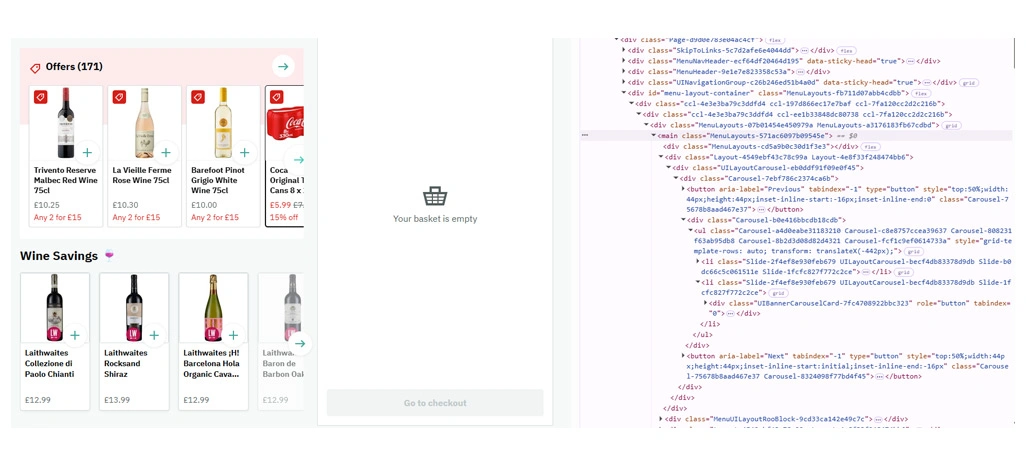
Grocery retailers operate in an environment where even a 1% pricing misalignment can significantly affect annual profitability. As competition intensifies across online and offline channels, data-backed decision-making becomes essential. Earlier, Grocery Web Scraping was widely adopted for competitive tracking, but today structured data access offers greater scalability and operational efficiency.
The ongoing debate around API vs Scraping for Grocery Data has shifted toward API-based systems due to cleaner integrations, lower latency, and enterprise compliance standards. These structured frameworks are shaping Real-Time Grocery API Trends, enabling retailers to monitor price shifts, SKU availability, and promotional intensity with minimal delay.
Businesses adopting Retail Intelligence Using Data APIs report measurable gains in pricing accuracy and margin preservation. According to industry research, dynamic pricing powered by automation improves gross margin performance by 12–18% annually.
Pricing Impact Analysis:
| Factor | Traditional Model | Data-Driven Model | Margin Effect |
|---|---|---|---|
| Price Updates | Weekly | Hourly | +12% |
| Promotion Tracking | Manual | Automated | +9% |
| Stockout Awareness | Delayed | Predictive | +8% |
| Competitor Benchmarking | Fragmented | Unified | +6% |
Additionally, Global Grocery Data API Trends 2026 indicate that over 60% of enterprise grocery chains are investing in automated repricing engines connected to centralized dashboards.
Reducing Operational Losses Through Inventory Synchronization
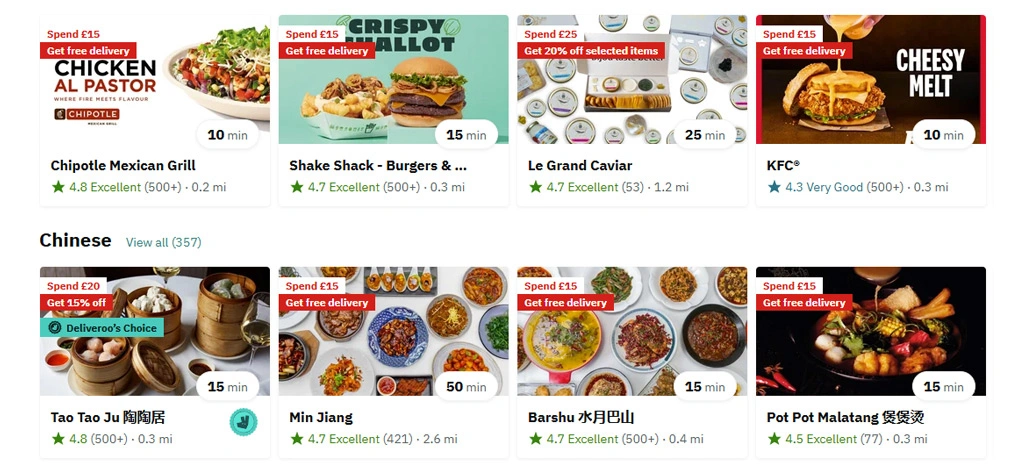
Operational inefficiencies—especially inventory mismatches and delayed fulfillment—can erode up to 8% of total grocery revenue annually. Modern retailers are therefore investing in integrated systems powered by Real-Time Pricing and Inventory APIs for Retailers to maintain stock accuracy across stores, warehouses, and dark fulfillment centers.
Accurate data pipelines allow proactive replenishment planning, minimizing overstocks and stockouts simultaneously. According to supply chain reports, inventory accuracy improves from 82% to nearly 97% when real-time synchronization tools are implemented.
The broader Future of Food Delivery Data APIs is centered on predictive allocation and last-mile optimization. In fact, analysts studying the Food Delivery Data APIs Future predict that AI-driven routing and demand sensing will reduce delivery variance by 20% by 2026.
Operational Optimization Metrics:
| Operational Area | Before Integration | After Integration | Performance Change |
|---|---|---|---|
| Inventory Accuracy | 82% | 97% | +15% |
| Delivery Variance | ±25 mins | ±8 mins | +17% |
| Order Cancellations | 11% | 5% | -6% |
| Fulfillment Cost | High | Optimized | -14% |
Large-scale enterprises are increasingly deploying Enterprise Food Delivery API Solutions to unify delivery intelligence from multiple aggregators into centralized dashboards. This approach reduces cancellation rates and enhances fleet productivity across multi-city operations.
Strengthening Promotion Performance with Data-Led Expansion
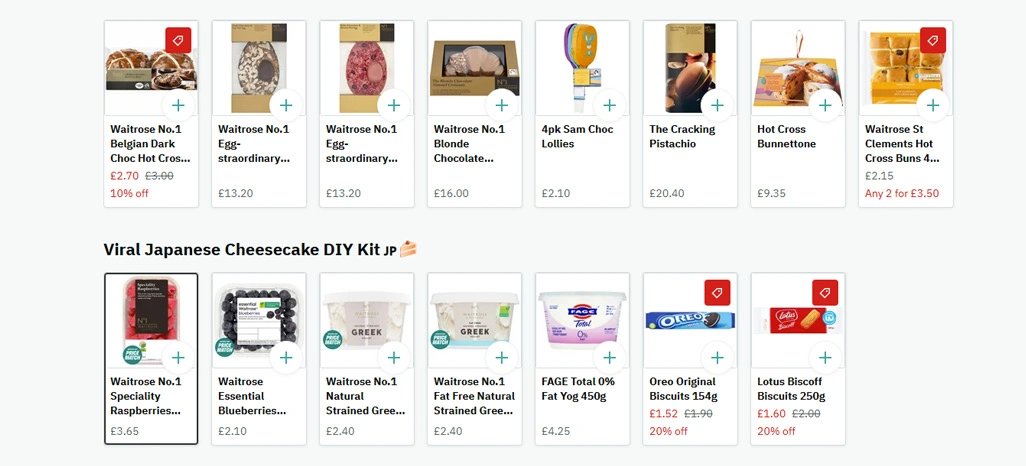
Promotional spending represents one of the largest controllable cost centers in grocery retail. However, without structured visibility, nearly 20% of promotional budgets fail to deliver expected ROI. Data-integrated systems now enable brands to evaluate SKU-level performance across cities and time windows in near real time.
Understanding How to Use Grocery APIs for Price Monitoring empowers businesses to align discounts dynamically with competitor activity and demand elasticity. Rather than static campaigns, retailers deploy adaptive promotional engines that respond instantly to market fluctuations.
Centralized dashboards built on automated intelligence models enhance visibility into discount impact, customer retention, and campaign profitability. Retailers applying Retail Intelligence Using Data APIs frameworks report up to 23% higher promotional efficiency compared to traditional monthly reporting systems.
Promotion Intelligence Impact:
| Promotion Metric | Traditional Approach | Advanced Model | Business Impact |
|---|---|---|---|
| Campaign ROI Tracking | Monthly | Real-Time | +23% |
| Discount Optimization | Static | AI-Based | +16% |
| Regional Monitoring | Limited | Multi-City Live | +14% |
| Customer Retention | 62% | 74% | +12% |
By integrating promotion intelligence with pricing and inventory signals, grocery brands transform marketing investments into measurable profit drivers while enabling confident expansion into new geographic markets. Industry research aligned with Global Grocery Data API Trends 2026 shows that cross-market price harmonization tools are becoming critical for international retailers expanding across 20+ regions.
How Retail Scrape Can Help You?
Profit expansion in 2026 requires structured intelligence pipelines powered by Real-Time Grocery and Food Delivery Data APIs Worldwide integrated across pricing, inventory, and delivery ecosystems. We provide enterprise-grade API infrastructure tailored for global grocery and food delivery intelligence.
Our solutions include:
- Advanced competitor price monitoring engines.
- SKU-level inventory synchronization systems.
- Automated promotion tracking frameworks.
- Regional demand forecasting dashboards.
- Multi-market delivery analytics integration.
- Scalable cloud-based data pipelines.
Through Multi-Country Grocery Data API Solutions, we enable retailers to manage pricing, assortment, and fulfillment across continents with unified analytics architecture.
We transform raw grocery data into decision-ready intelligence—helping brands improve operational accuracy, enhance pricing strategies, and increase profitability across global markets.
Conclusion
Retail profitability in 2026 will depend on intelligent data orchestration, not just product availability. Businesses adopting Real-Time Grocery and Food Delivery Data APIs Worldwide are positioning themselves to achieve stronger price agility, lower stockouts, and measurable revenue acceleration.
As Future of Food Delivery Data APIs continues shaping digital commerce ecosystems, retailers must prioritize API-driven analytics strategies to transform margins and operational precision. Partner with Retail Scrape today to build a scalable grocery intelligence infrastructure that drives sustained profit growth.
Effortlessly managing intricacies with customized strategies.
Mitigating risks, navigating regulations, and cultivating trust.
Leveraging expertise from our internationally acclaimed team of developers
Reliable guidance and assistance for your business's advancement